
What Magnifica Humanitas Says to the Books We Publish
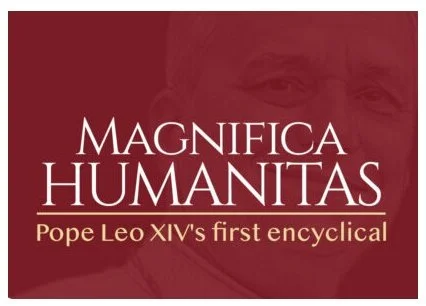
Pope Leo XIV released his first encyclical letter on May 25, 2026. Magnifica Humanitas is a 235-page document on safeguarding the human person in the age of artificial intelligence. He signed it on the 135th anniversary of Pope Leo XIII's Rerum Novarum and placed it squarely in the lineage of Catholic social teaching. He presented it in person at the Vatican. Standing beside him was Christopher Olah, co-founder of Anthropic.
That last detail matters to publishers. Anthropic builds Claude, the AI system on which BookLab™ operates. Anthropic has refused to allow its AI models to be used for autonomous weapons systems or mass surveillance. In response, the Pentagon designated the company a supply-chain risk. The pope chose that company's co-founder to stand beside him at the release.
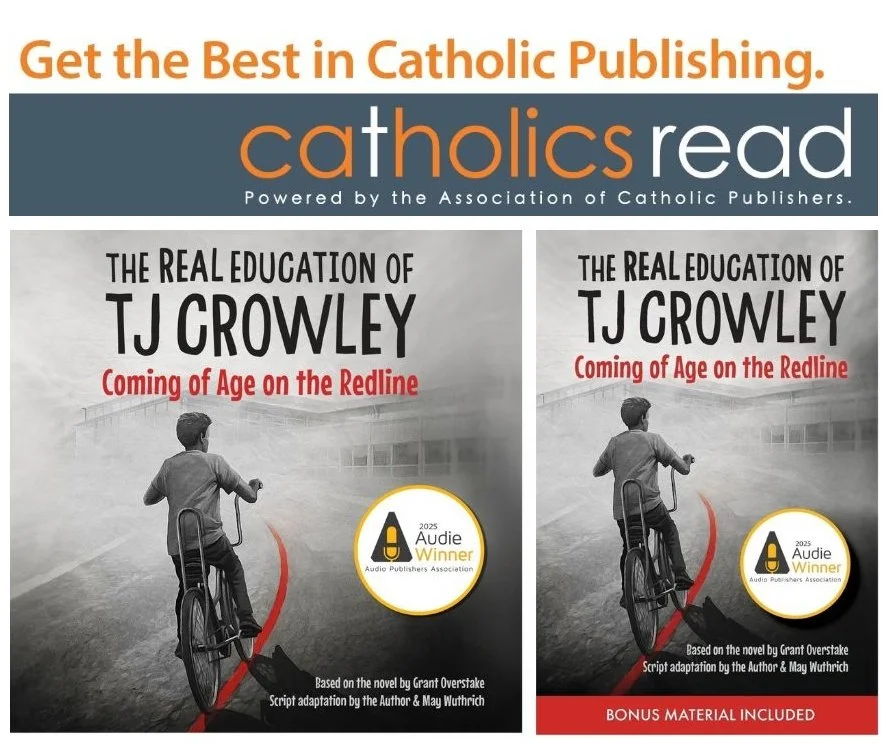
The Real Education of TJ Crowley on Catholics Read, powered by the Association of Catholic Publishers. Winner of the 30th Annual Audie Award for Best Young Adult Audiobook.
This is not a post about theology. I am not a theologian. I am a publisher who has spent the last year building an AI-assisted publishing system and testing it on real titles, including titles accepted by the Association of Catholic Publishers. What I want to talk about is what the encyclical says to publishers who are trying to figure out where AI fits in their work.
The encyclical names six principles. Three of them land directly on the desk of every Catholic publisher.
The first: technology is never neutral. It matters how AI is designed, not only how it is used. For publishers, that means the platform you build on carries moral weight. The tools are not interchangeable. Design choices matter. Supply chains matter.
The second: human beings must remain in charge of the decisions that matter. AI assists. Human beings decide. That phrase has been the operating principle of every BookLab engagement from the beginning. No AI authorship of theological content. No doctrinal positions generated by a machine. The tool analyzes, organizes, surfaces, and connects. A human being decides what it means.
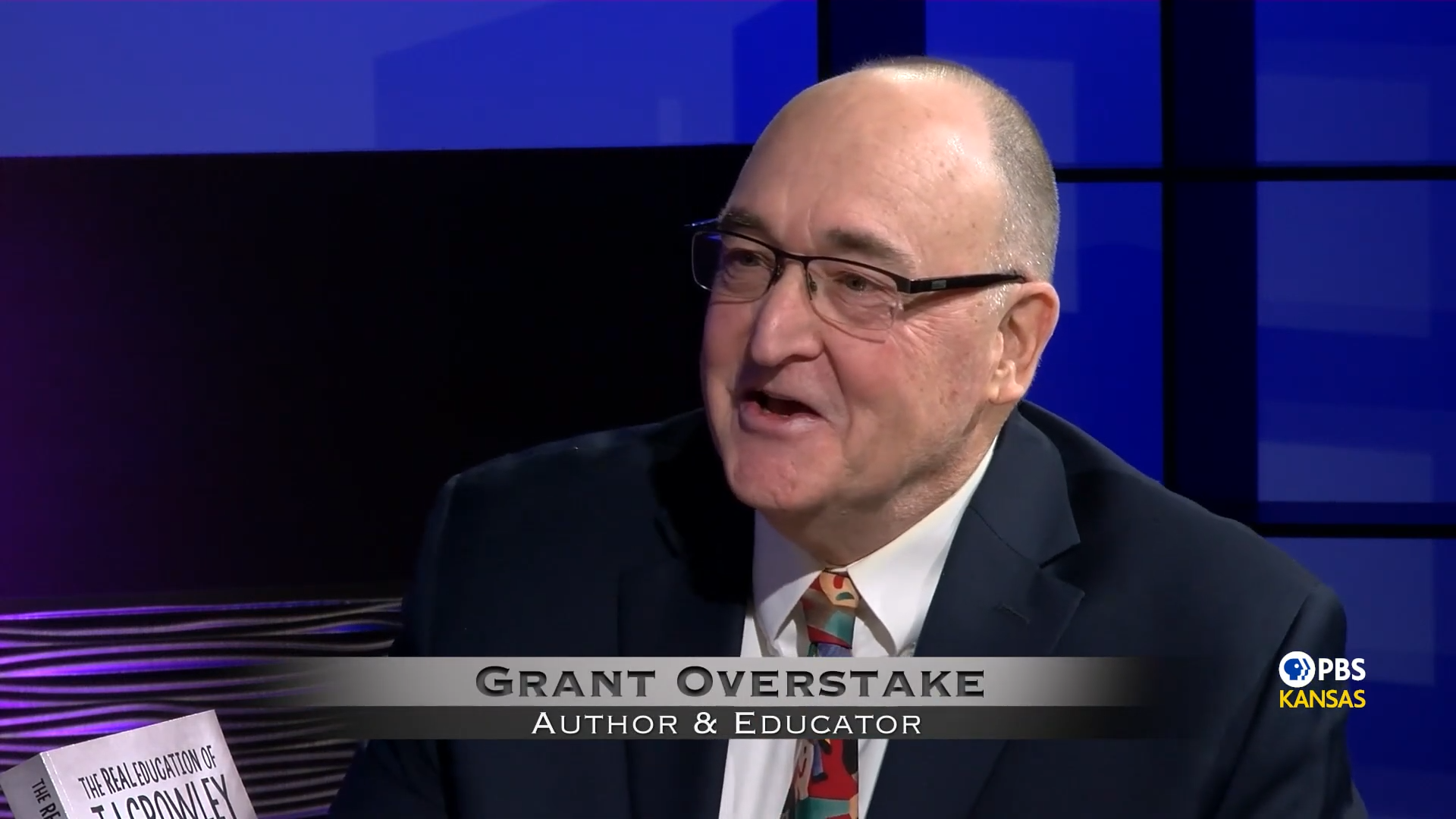
"The question is not whether to use these tools. The question is whether to use them with discipline, conviction, and the kind of care the books deserve."
The third: Catholics should not be passive spectators. The encyclical calls for active engagement with AI, not avoidance. That is the invitation that matters most for Catholic publishers right now. The question is not whether to use these tools. The question is whether to use them with discipline, conviction, and the kind of care the books deserve.
For Catholic publishers, this is a bridge-building moment. The books you publish carry formation, consolation, and moral clarity. The readers who need those books are searching for them in new ways. The tools exist to close the gap between what a book is and what the world knows about it. The encyclical says those tools should be shaped by the people who care most about getting it right.
That is you.
The full text of Magnifica Humanitas is available from the Vatican. https://www.vatican.va/content/leo-xiv/en/encyclicals/documents/20260515-magnifica-humanitas.html
Grant Overstake
Grain Valley Publishing Company, LLC
Wichita, Kansas
Grant Overstake is a publisher, author, and former minister who spent five years as a Salvation Army officer in Chicago's Henry Horner Homes and during the Mississippi River Flood of 1993, then five years as a United Methodist pastor serving farm crisis families in rural Iowa. He is now the founder of Grain Valley Publishing Company in Wichita, Kansas, and the creator of BookLab, a publishing-intelligence system built on the principle that AI assists and human beings decide. His title The Real Education of TJ Crowley won the 30th Annual Audie Award for Best Young Adult Audiobook. Both of his titles are distributed by Blackstone Audio and accepted by the Association of Catholic Publishers.
